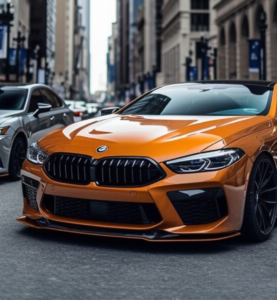
The best cars for teens balance three things: modest power, a protective size, and modern safety tech. The Insurance Institute for Highway Safety (IIHS) and Consumer Reports say the same thing — point new drivers toward compact SUVs and midsize sedans, skip minicars and anything built for performance, and insist on electronic stability control (standard since 2012), strong crash-test scores, and, ideally, automatic emergency braking (AEB). On our lot right now, that means vehicles like a Hyundai Tucson, Jeep Wrangler, or Acura Integra — dependable, capable options that let a teenager build experience safely.
Key Points
- Safe cars for teens aren’t the flashiest — they’re moderately powered, right-sized, and equipped with crash-avoidance tech.
- The IIHS and Consumer Reports teen list rules out excessive horsepower, performance-marketed cars, minicars under 2,750 lbs, and oversized SUVs or trucks.
- Electronic stability control is standard on every 2012-and-newer vehicle — a smart floor for any teen car search.
- AEB is the highest-value feature to look for: IIHS data shows it roughly halves front-to-rear crashes, and rear-end collisions are about a quarter of the crashes teens are in.
What to Look For (and Why)
We build and sell some of the fastest cars in Chicagoland — which is exactly why we’re comfortable telling a parent that a 16-year-old doesn’t need one. To be fair, they may want one, but that’s a separate point.
Here’s the checklist we actually use with families, straight from the safety data.
- Modest power. Speed plus inexperience is the riskiest combination for new drivers. Aim for a 150–200 hp four-cylinder — and no performance trims.
- The right size and weight. Bigger protects better, but huge is hard to handle and slow to stop. Choose a compact SUV or midsize sedan; skip minicars and full-size trucks.
- Electronic stability control (ESC). Helps a driver keep control in a skid or sudden swerve. It’s been standard on all 2012-and-newer vehicles.
- Strong crash-test scores. They determine how well the car protects the people inside it. Look up top IIHS ratings and high NHTSA stars for the exact model year.
- Automatic emergency braking (AEB). IIHS data shows it cuts front-to-rear crashes roughly in half. Prioritize it, then add blind-spot monitoring and a backup camera.
- Insurance and upkeep. These are the costs that outlast the purchase. Quote insurance before you buy, and value a clean service history over a low odometer.
Sources: IIHS, Consumer Reports.
One caution on EVs: their instant torque means safety experts advise extra care for brand-new drivers. If you go electric, choose a modest model rather than a quick one.
Cars for Teens In Stock Now at Premiere
Full transparency: most of our floor is European sports luxury and American muscle — not first-car material. But our inventory turns over fast, and we keep sensible options in the mix.
Here’s what fits the teen brief today.
2017 Hyundai Tucson SE — The Value Pick
Compact SUV · 164 hp · FWD · ~$11,500 The Hyundai Tucson is named on the IIHS list of recommended used vehicles for teens — right-sized, modestly powered, and cheap to insure.
2016 Jeep Wrangler Unlimited Sport — The Rugged, All-Weather Pick
SUV · 285 hp · 4×4 · ~$15,900 There’s a reason a Wrangler is a teenage dream: it’s iconic, genuinely capable in Chicago snow, and holds its value better than almost anything on the road. Go with this four-door Unlimited over a two-door — the longer wheelbase makes it steadier for a newer driver. Just be straight with your teen about the trade-offs: a Wrangler sits tall, so it rewards smooth, unhurried inputs, and its 285-hp V6 has more muscle than a basic commuter needs. Think of it as the fun, do-anything pick rather than the safest-on-paper one.
2023 Acura Integra A-SPEC — The Newest, Safest-Tech Option
Sport compact · 200 hp · FWD · ~mid-$20,000s Comes standard with the full AcuraWatch driver-assist suite — automatic emergency braking, lane-keeping, and adaptive cruise. Just know the A-SPEC looks quicker than its sensible 200-hp base engine actually is.
Two honest notes: the Tucson SE and Wrangler Sport are more basic trims that predate standard driver-assist tech, so if features like automatic emergency braking are a must-have, the Integra is your best bet — and confirm exactly what’s on any specific vehicle before you buy. And before any car leaves here it goes through our service shop, because for a teen’s first car, a clean mechanical bill of health matters more than a low odometer.
Prices and availability move fast — see our live inventory or call before you make the drive.
What to Avoid
- Performance cars — V8 muscle, turbo sport sedans, anything badged V, R/T, SVR, GT, or Type S. (We love them. Just not as a first car.)
- Full-size trucks and large SUVs — harder to handle, longer to stop, and tougher on everyone else in a crash.
- Minicars and the lightest subcompacts — too little between your teen and the road.
- Pre-2012 vehicles without confirmed stability control.
- Quick EVs — instant torque and a new driver aren’t a great match.
FAQs
What’s the best type of car for a teenager? A compact SUV or a midsize sedan. Both balance crash protection, easy handling, and affordability without the excess power that raises risk. Compact SUVs add winter traction and better visibility, which is why they’re increasingly the top pick.
How much horsepower should a teen’s first car have? Enough to merge safely and no more — a four-cylinder in the 150–200 hp range. Safety experts specifically advise against high-horsepower and performance-marketed vehicles for teens.
What safety features matter most for a teen driver? Electronic stability control (standard on 2012-and-newer cars) and strong crash-test ratings at minimum. If your budget allows, prioritize automatic emergency braking, plus blind-spot monitoring and a backup camera.
Is a used car a safe choice for a teen? Yes. The IIHS and Consumer Reports publish a full list of recommended used vehicles for teens every year. Focus on size, power, safety tech, and a clean service history, and used is often both safer and far more affordable than new.
Which used cars should teens avoid? Performance cars, full-size trucks, large SUVs, the smallest minicars, and any pre-2012 vehicle without stability control. Quick EVs warrant extra caution too.
The Bottom Line
The right car for a teen lets the vehicle do more of the protecting while your new driver gains experience: modest power, sensible size, modern safety tech. We’re known for the fast stuff — but we’ll give you the same straight answers we’d want for our own family.